
Top 10 most commonly replaced 125cc scooter parts
Although it depends on what your riding style is and how often you ride your 125cc scooter, there are still some common parts that every rider needs to take care of.
In this article, we've listed 10 of the most commonly replaced parts that would need to be replaced sooner or later on your and your customers’ 125cc scooters.
This is a list for our commute riders, especially the ones who rely on scooters as a commuter bike, riding through streets and alleys and constantly need to stop due to traffic.
Most scooters these days are built to last. Therefore, all 10 parts listed here are the ones that are meant to be replaced after a certain mileage due to regular wear and tear, in order to provide the best riding experience.
The top 10 most commonly replaced 125cc scooter parts include (in no particular order):
1. Drive Belts
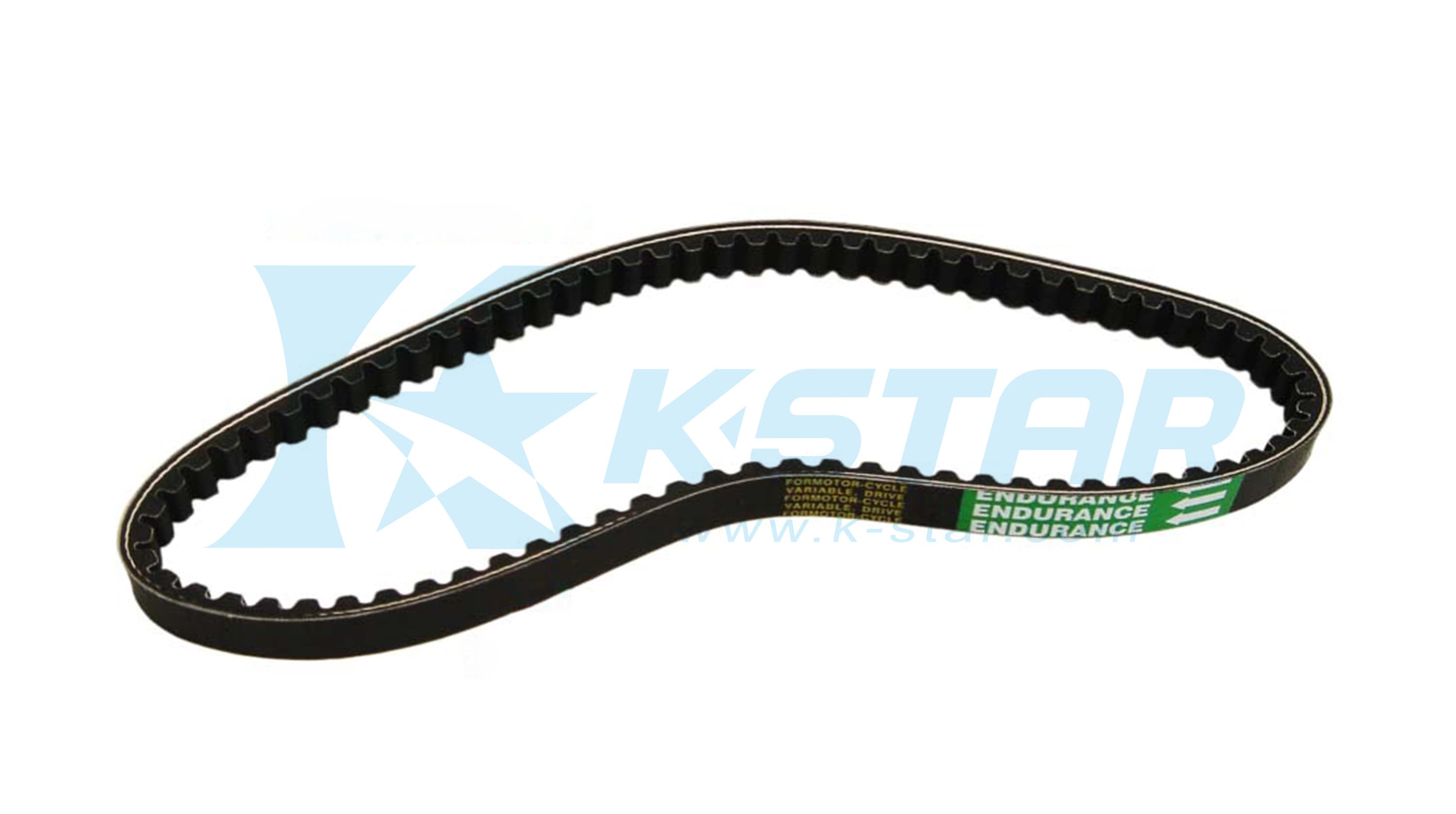
Drive belts have a very important job! They transfer power from the engine to the transmission system, which then makes the motorcycle move. Due to heat and friction, these wear out every 10,000 to 15,000 km. Don’t let them get to that point and know when to replace them:
• Visible damage: If the rubber is cracking, the belt looks very shiny or the reinforcement cords are exposed, this usually means that a replacement is overdue.
• Heavy dust: It’s normal to have a small amount of dust on the drive belts. However, heavy dust could mean abnormal wear or poor surface contact.
• Burnt smell or unusual noise: Burnt smell when riding? Weird noises? There could be abnormal heat or slipping, which means you should check the engine immediately.
• Performance loss: If the bike feels slower, harsher, or less consistent, the belt and drive system should be inspected.
Check out our drive belt selection.
2. Brake Pads
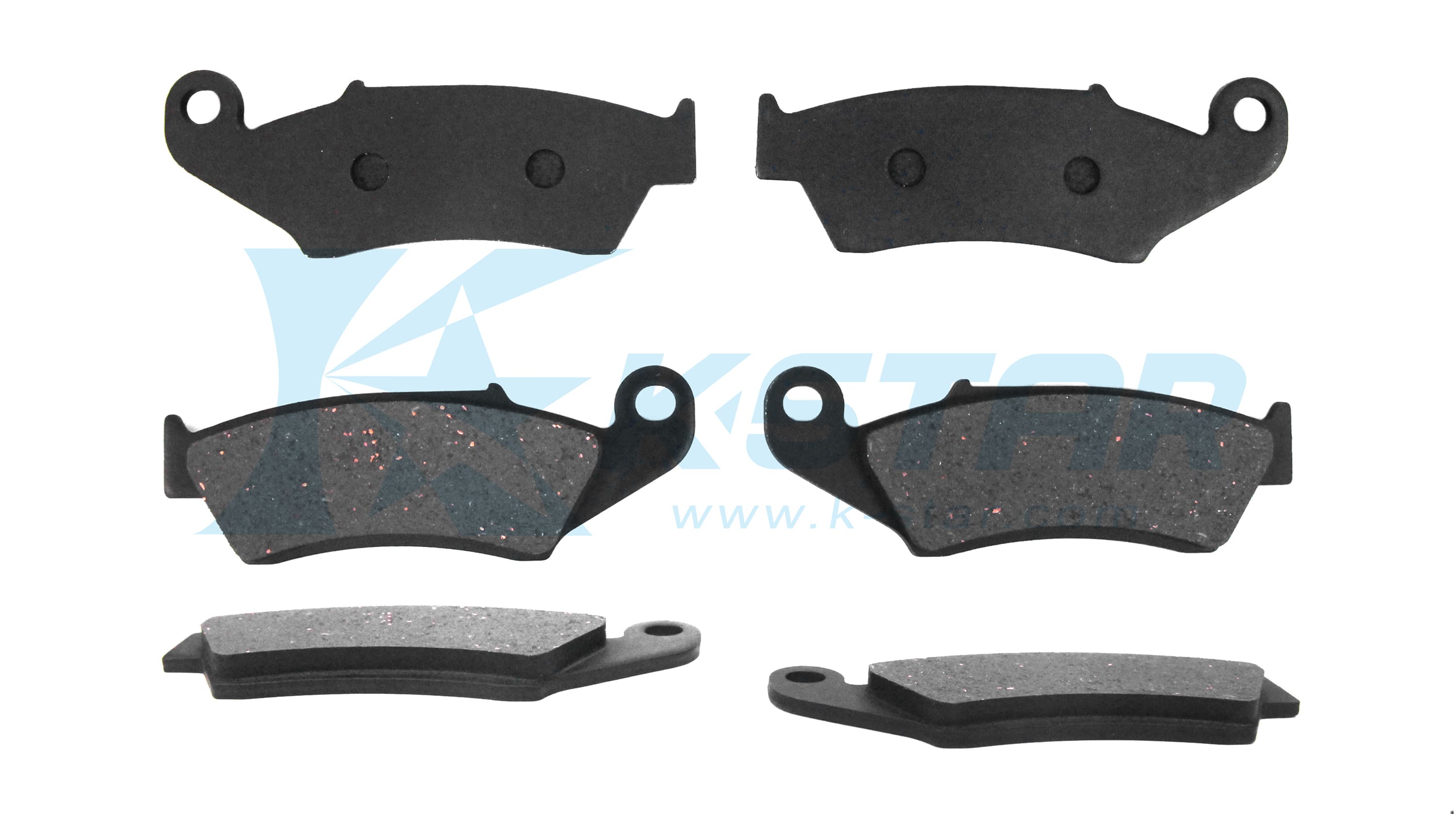
Riding in the city can be annoying sometimes, as you need to stop and go multiple times in short periods of time. This is not only annoying to you but also to your scooter, especially the brake pads, as they usually wear out after a few thousand kilometers.
The braking power of a scooter is as important as the speed! Check your brake pads and learn when to replace them.
• Squeaking or grinding sounds: If you hear a high-pitched squeal when you pull the lever, that is metal-on-metal contact. The pad’s wear indicator is brushing against the disc, or even grinding it. It’s time to change!
• Longer stopping distance: If your scooter takes longer to stop or the brakes no longer feel quick to respond, this might indicate that you need new brake pads.
• Pad thickness looks thin: Good and still usable pads look solid and are about 4 mm to 5 mm thick. If they look like a piece of paper, get a new pair.
• Dashboard warning light: Newer scooters may light up a brake warning on the dash when pads are too worn.
Explore our complete brake pads collection.
3. Variator Rollers/ Sliders
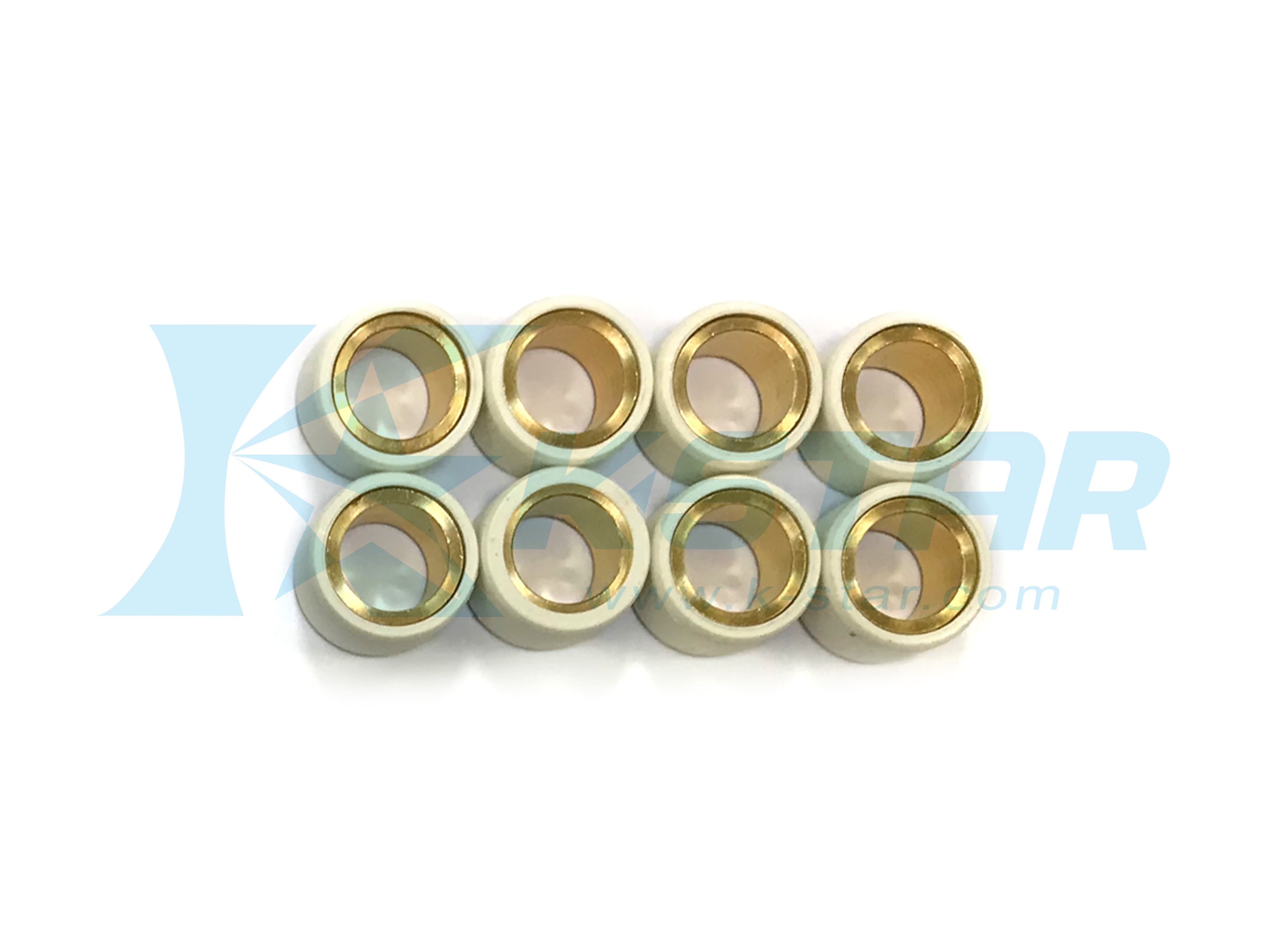
The variator is part of your scooter's transmission that automatically changes the gear ratio as you speed up. Inside are small moving pieces called rollers or sliders, which wear over time and need regular replacement.
• Heavier rollers = Smoother cruising and potentially higher top speed, but slower acceleration.
• Lighter rollers = Quicker acceleration, but lower top speed.
• Sliders = An alternative that often provides smoother acceleration and lasts longer.
Replace or inspect them every 5,000–10,000 km, depending on riding conditions and wear. Worn rollers can develop flat spots, causing rough acceleration and poor transmission performance.
• Metallic rattling at idle: A rapid metal-on-metal noise from the left side of the engine that disappears when you accelerate may indicate a worn or loose variator component.
• High RPM with delayed and jerky acceleration: The scooter feels rough when it speeds up and the engine revs loudly before the scooter suddenly moves forward, suggesting the rollers or sliders are sticking.
• Reduced performance: Flat-spotted rollers can reduce acceleration, top speed, and fuel economy, and increase transmission wear.
View our variator rollers/ sliders selection.
4. Spark Plugs
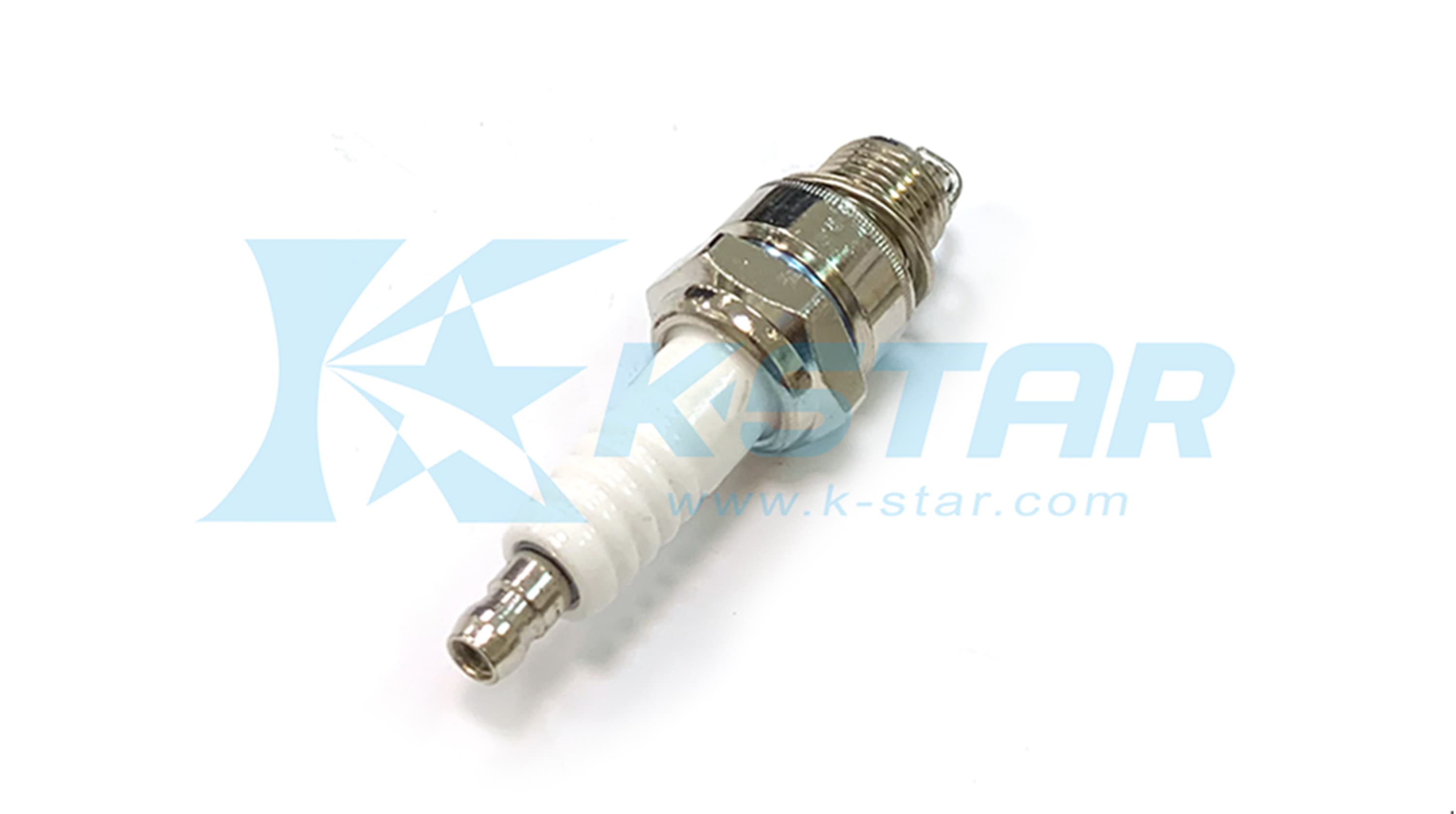
Spark plugs may be small, but they're one of the most important parts of your motorcycle. Spark plugs create the spark that ignites the air-fuel mixture inside the engine. Without a working one, your bike simply won't start or run properly.
• Trouble starting and/or rough idling: If your motorcycle sometimes struggles to start, shakes, stumbles, or feels like it's losing power, your spark plug could be the problem. A spark plug in good condition should help the engine start quickly and without hesitation.
• You're using more fuel than usual: A worn spark plug can make the engine burn fuel less efficiently, which means your scooter needs more gas than usual.
• Unusual engine noise: A healthy engine should run smoothly. If you start hearing knocking, rattling, or other unusual noises, it could be a sign that your spark plug isn't doing its job properly.
See all available spark plugs.
5. Air Filters
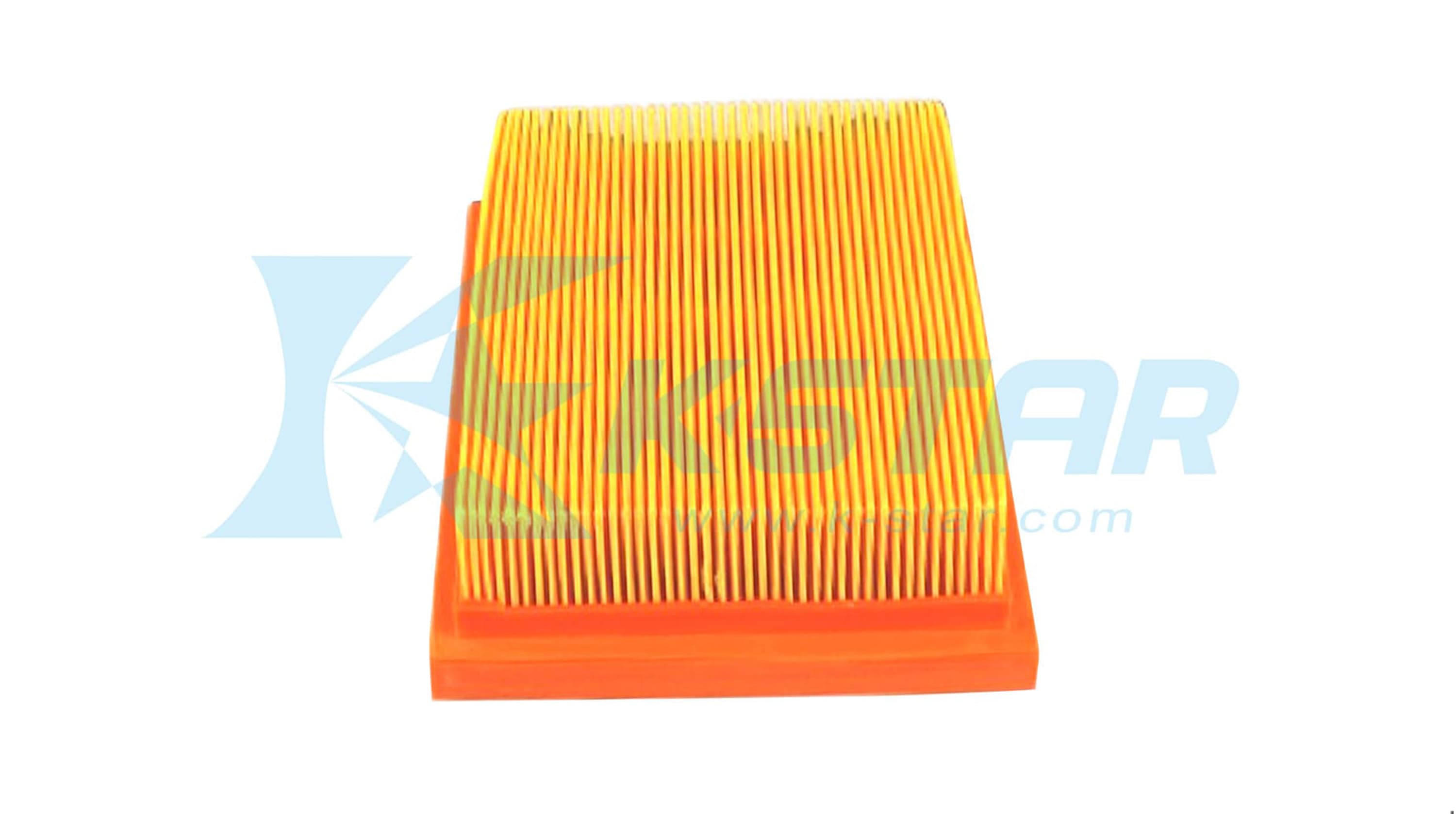
While riding, dust, dirt, insects, and other stuff can easily get sucked toward the engine. The air filter catches all of that before it can get inside the engine and cause damage. Over time, the filter gets dirty and clogged, reducing the amount of air that reaches the engine, causing your bike not to perform as well.
• Dirty air filter: If the filter is packed with dirt and can't be cleaned anymore, it's time to replace it.
• Smoke from the exhaust: If you notice unusual smoke coming from the exhaust, a clogged air filter could be one of the reasons.
• Loss of power: A dirty air filter limits the amount of air reaching the engine, which affects combustion. You may notice your motorcycle feels less responsive or uses more fuel than usual.
View our air filter catalog.
6. Engine Oil & Oil Filters
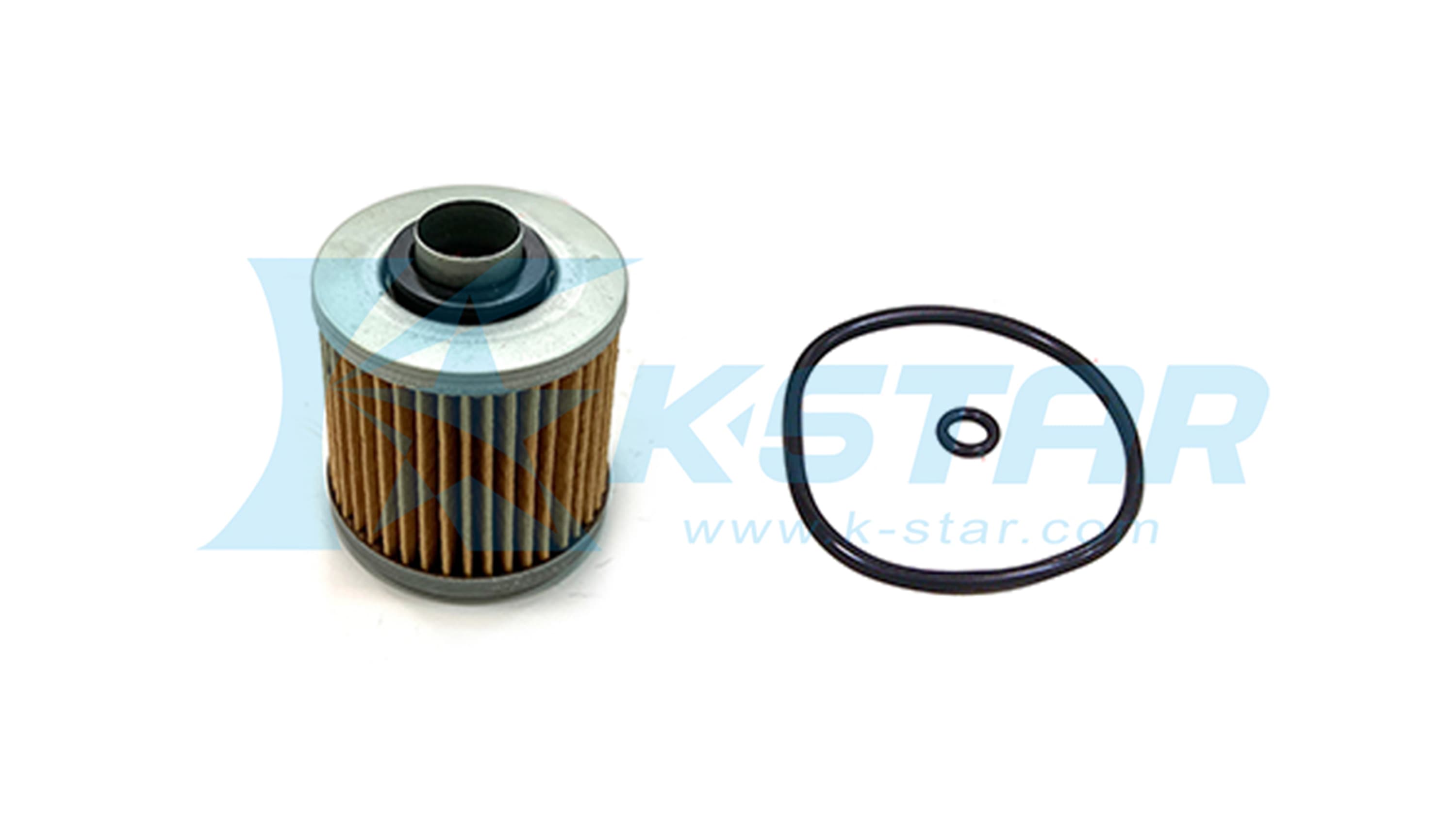
Oil filters prevent contaminants from getting into your engine oil, which keeps your engine running smoothly. Some signs that it is time to change it are:
• Dirty oil: If your oil is getting dirty really quickly, then the filter is not doing its thing!
• Engine running hot: A clogged filter can reduce lubrication of your engine, which can cause it to overwork and overheat.
• Low oil pressure warning light: If the oil pressure warning light is on, it could mean there’s a restricted oil flow caused by a clogged filter. Don’t ignore the light!
Learn more about our engine & oil filters here.
7. Batteries
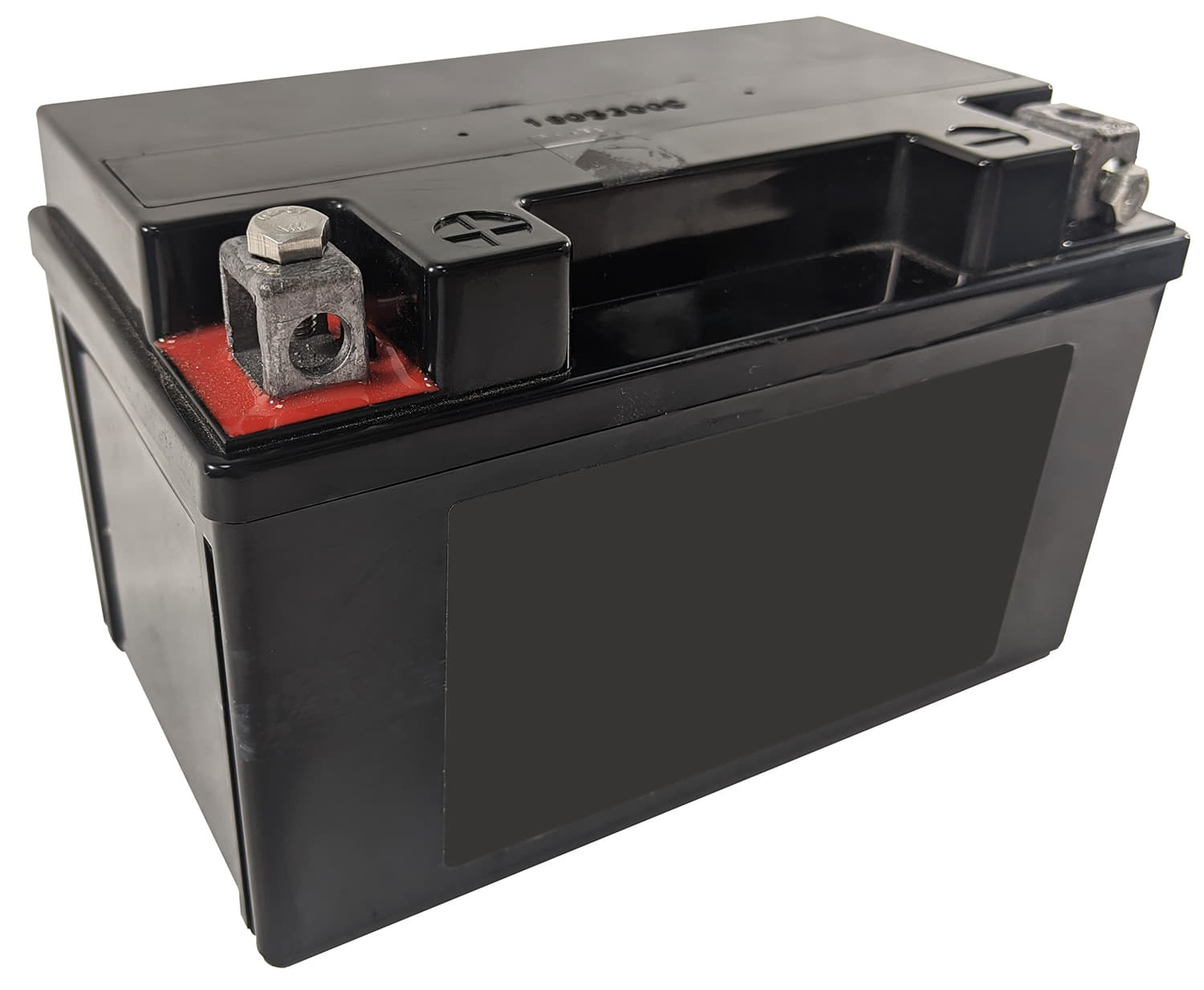
Batteries are very important! If your battery runs out, it could leave you stranded in the middle of the street. Don’t get to that point and make sure you change it on time. Especially in colder countries, you might have to change your battery more often, as weather conditions influence its performance. Keep reading to learn when to change your battery.
• Difficult starting: Your scooter should always turn on smoothly. If you need to force it, then it might be worth checking your battery.
• Headlights lose brightness: If you notice your lights are not as bright as before, then it is because they’re not receiving enough power. Make sure you change the battery and don’t drive around with low lights.
• Corrosion on battery terminals: If you see your battery terminals have some white, blue, or greenish powdery buildup where the cables connect to the battery, this will affect your battery and your scooter overall.
8. Tires
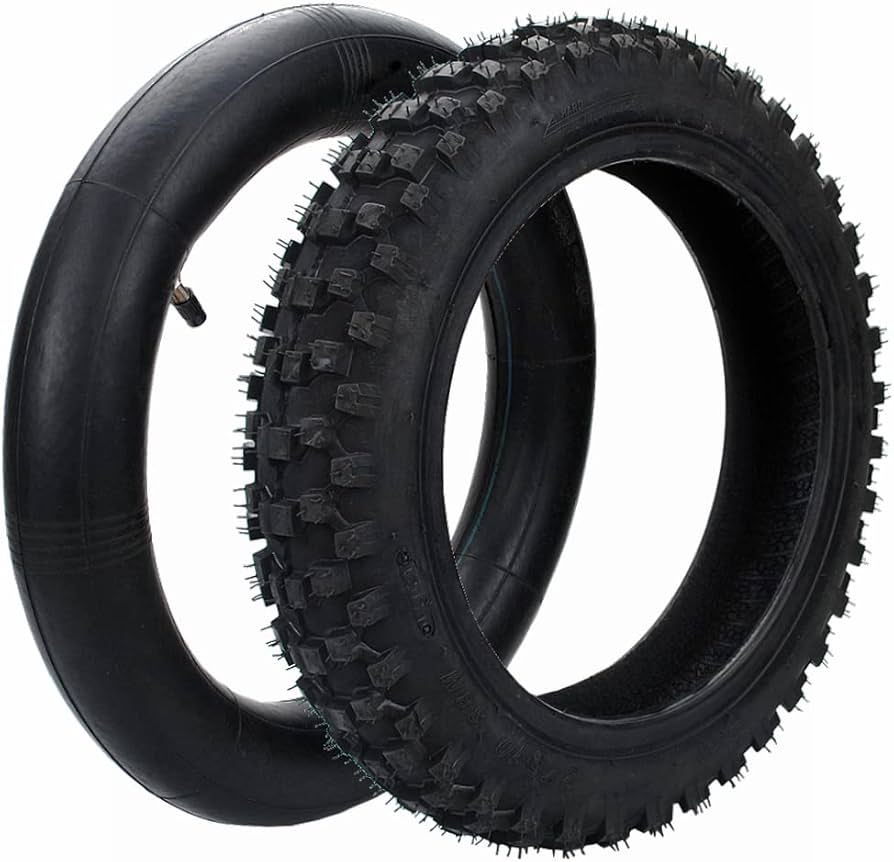
Tires must be without a doubt one of the most important parts in your motorcycle, as well as one of the most replaced, as this is the only part that actually touches the road. The streets are not always the smoothest, so they definitely take a toll on your tires. Some symptoms that it is time to change them are:
• Puncture on sight: Tires are usually quite strong and can endure rough roads, but every now and then it is impossible to avoid getting punctures. If you get a puncture and a professional thinks it is irreparable, don’t risk it, change them.
• Tread wear limit has been reached: Replace the tire when the tread depth reaches 1.6 mm or when the tread wear indicators are level with the tread surface.
• Signs of aging: If you notice some cracks, uneven patterns or you feel the grip is not as strong, this is definitely a sign that you should replace them.
9. Clutch Springs & Shoes
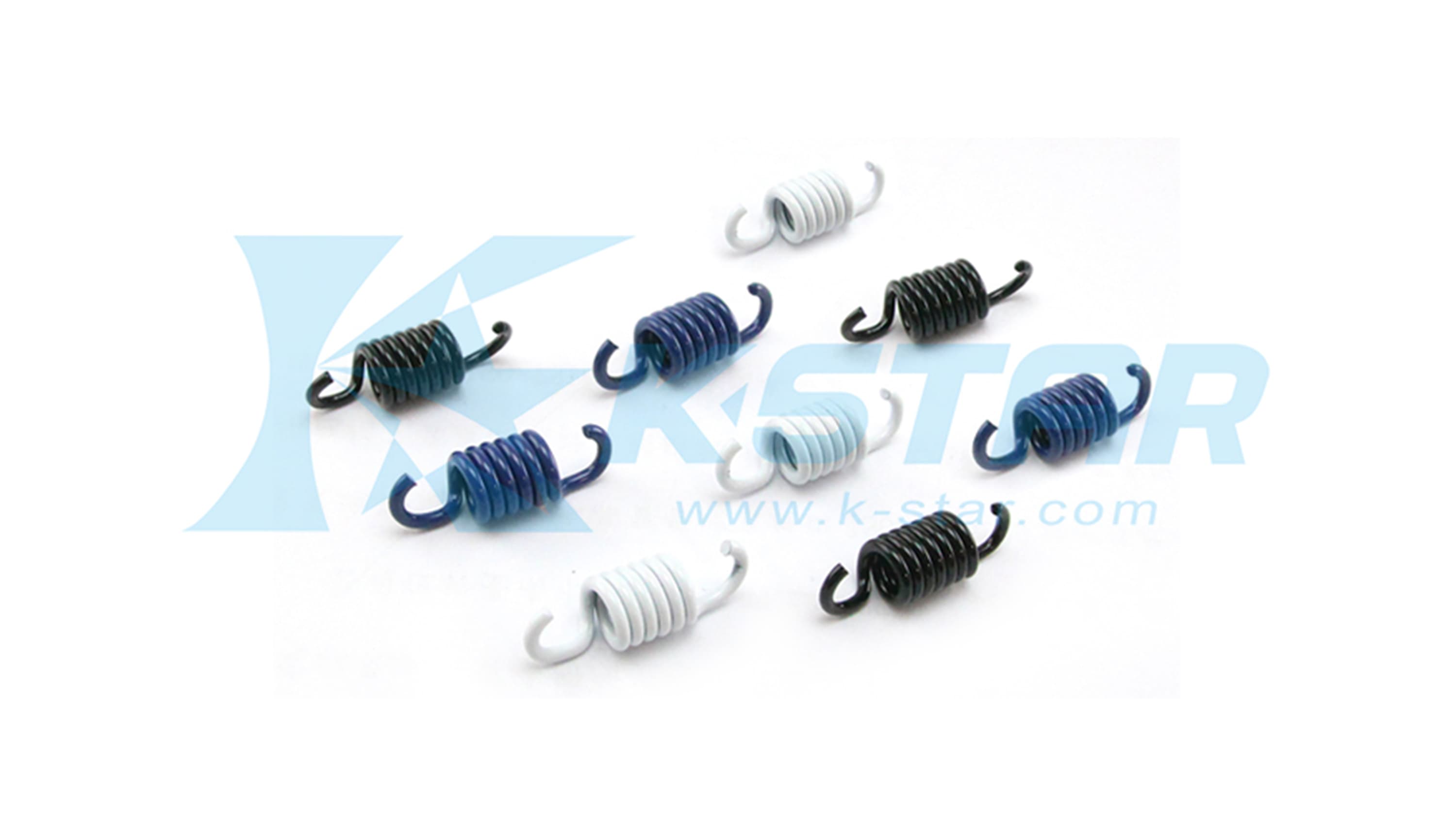
The clutch transfers power from the engine to the rear wheel, allowing your scooter to move smoothly from a stop. The clutch springs control when the clutch engages, while the clutch shoes grip the clutch bell to transfer power. Both wear over time and should be replaced when they no longer perform properly.
• Poor takeoff from a stop: The scooter hesitates, struggles to move, or requires more throttle before it starts rolling.
• Poor acceleration: The engine revs higher than usual, but the scooter accelerates slowly.
• Burning smell after riding: A burnt odor may indicate the clutch shoes are slipping and overheating instead of gripping properly.
Browse our clutch springs & shoes.
10. Light Bulbs
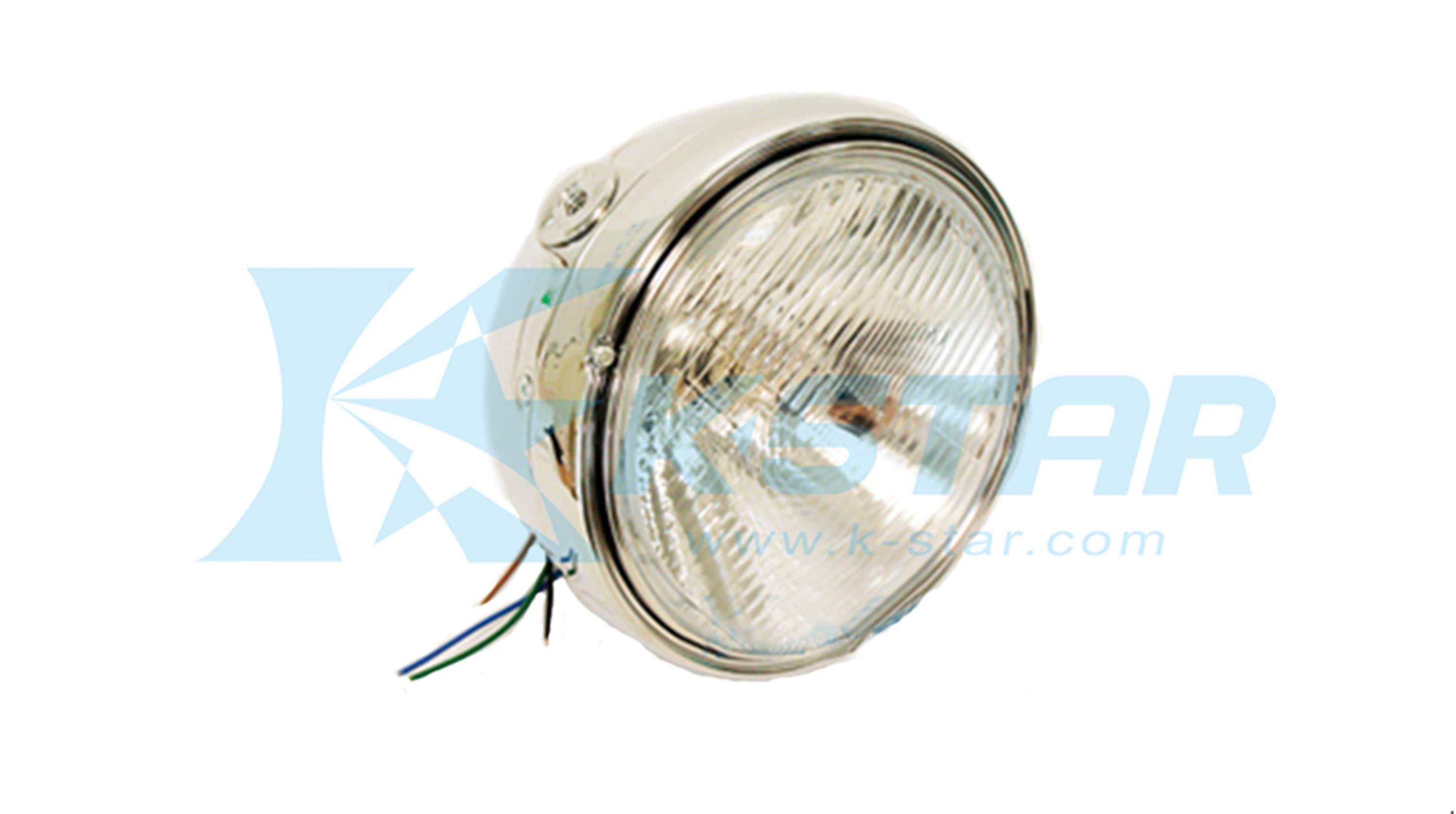
Your scooter's headlight, brake light, and turn signals are essential for seeing the road and, especially, making yourself visible to other road users when it’s dark out. Light bulbs can burn out over time and should be replaced as soon as they fail to maintain safe and legal operation. Signs you need to replace your lights:
• Dim or flickering headlight: The headlight is noticeably less bright or flickers while riding.
• Burned-out light: The headlight, brake light, or one or more turn signals no longer illuminate.
Replacing faulty bulbs promptly improves visibility, helps other road users see your intentions, and keeps your scooter roadworthy.
Discover our full range of lights.
Bookmark this list for quick reference whenever it’s time for a routine check. While regular wear and tear is expected, always head to a professional shop if you encounter an issue you can't diagnose yourself. Ride safe, and enjoy the journey!
Although it depends on what your riding style is and how often you ride your 125cc scooter, there are still some common parts that every rider needs to take care of.
In this article, we've listed 10 of the most commonly replaced parts that would need to be replaced sooner or later on your and your customers’ 125cc scooters.
This is a list for our commute riders, especially the ones who rely on scooters as a commuter bike, riding through streets and alleys and constantly need to stop due to traffic.
Most scooters these days are built to last. Therefore, all 10 parts listed here are the ones that are meant to be replaced after a certain mileage due to regular wear and tear, in order to provide the best riding experience.
The top 10 most commonly replaced 125cc scooter parts include (in no particular order):
1. Drive Belts
Drive belts have a very important job! They transfer power from the engine to the transmission system, which then makes the motorcycle move. Due to heat and friction, these wear out every 10,000 to 15,000 km. Don’t let them get to that point and know when to replace them:
• Visible damage: If the rubber is cracking, the belt looks very shiny or the reinforcement cords are exposed, this usually means that a replacement is overdue.
• Heavy dust: It’s normal to have a small amount of dust on the drive belts. However, heavy dust could mean abnormal wear or poor surface contact.
• Burnt smell or unusual noise: Burnt smell when riding? Weird noises? There could be abnormal heat or slipping, which means you should check the engine immediately.
• Performance loss: If the bike feels slower, harsher, or less consistent, the belt and drive system should be inspected.
Check out our drive belt selection.
2. Brake Pads
Riding in the city can be annoying sometimes, as you need to stop and go multiple times in short periods of time. This is not only annoying to you but also to your scooter, especially the brake pads, as they usually wear out after a few thousand kilometers.
The braking power of a scooter is as important as the speed! Check your brake pads and learn when to replace them.
• Squeaking or grinding sounds: If you hear a high-pitched squeal when you pull the lever, that is metal-on-metal contact. The pad’s wear indicator is brushing against the disc, or even grinding it. It’s time to change!
• Longer stopping distance: If your scooter takes longer to stop or the brakes no longer feel quick to respond, this might indicate that you need new brake pads.
• Pad thickness looks thin: Good and still usable pads look solid and are about 4 mm to 5 mm thick. If they look like a piece of paper, get a new pair.
• Dashboard warning light: Newer scooters may light up a brake warning on the dash when pads are too worn.
Explore our complete brake pads collection.
3. Variator Rollers/ Sliders
The variator is part of your scooter's transmission that automatically changes the gear ratio as you speed up. Inside are small moving pieces called rollers or sliders, which wear over time and need regular replacement.
• Heavier rollers = Smoother cruising and potentially higher top speed, but slower acceleration.
• Lighter rollers = Quicker acceleration, but lower top speed.
• Sliders = An alternative that often provides smoother acceleration and lasts longer.
Replace or inspect them every 5,000–10,000 km, depending on riding conditions and wear. Worn rollers can develop flat spots, causing rough acceleration and poor transmission performance.
• Metallic rattling at idle: A rapid metal-on-metal noise from the left side of the engine that disappears when you accelerate may indicate a worn or loose variator component.
• High RPM with delayed and jerky acceleration: The scooter feels rough when it speeds up and the engine revs loudly before the scooter suddenly moves forward, suggesting the rollers or sliders are sticking.
• Reduced performance: Flat-spotted rollers can reduce acceleration, top speed, and fuel economy, and increase transmission wear.
View our variator rollers/ sliders selection.
4. Spark Plugs
Spark plugs may be small, but they're one of the most important parts of your motorcycle. Spark plugs create the spark that ignites the air-fuel mixture inside the engine. Without a working one, your bike simply won't start or run properly.
• Trouble starting and/or rough idling: If your motorcycle sometimes struggles to start, shakes, stumbles, or feels like it's losing power, your spark plug could be the problem. A spark plug in good condition should help the engine start quickly and without hesitation.
• You're using more fuel than usual: A worn spark plug can make the engine burn fuel less efficiently, which means your scooter needs more gas than usual.
• Unusual engine noise: A healthy engine should run smoothly. If you start hearing knocking, rattling, or other unusual noises, it could be a sign that your spark plug isn't doing its job properly.
See all available spark plugs.
5. Air Filters
While riding, dust, dirt, insects, and other stuff can easily get sucked toward the engine. The air filter catches all of that before it can get inside the engine and cause damage. Over time, the filter gets dirty and clogged, reducing the amount of air that reaches the engine, causing your bike not to perform as well.
• Dirty air filter: If the filter is packed with dirt and can't be cleaned anymore, it's time to replace it.
• Smoke from the exhaust: If you notice unusual smoke coming from the exhaust, a clogged air filter could be one of the reasons.
• Loss of power: A dirty air filter limits the amount of air reaching the engine, which affects combustion. You may notice your motorcycle feels less responsive or uses more fuel than usual.
View our air filter catalog.
6. Engine Oil & Oil Filters
Oil filters prevent contaminants from getting into your engine oil, which keeps your engine running smoothly. Some signs that it is time to change it are:
• Dirty oil: If your oil is getting dirty really quickly, then the filter is not doing its thing!
• Engine running hot: A clogged filter can reduce lubrication of your engine, which can cause it to overwork and overheat.
• Low oil pressure warning light: If the oil pressure warning light is on, it could mean there’s a restricted oil flow caused by a clogged filter. Don’t ignore the light!
Learn more about our engine & oil filters here.
7. Batteries
Batteries are very important! If your battery runs out, it could leave you stranded in the middle of the street. Don’t get to that point and make sure you change it on time. Especially in colder countries, you might have to change your battery more often, as weather conditions influence its performance. Keep reading to learn when to change your battery.
• Difficult starting: Your scooter should always turn on smoothly. If you need to force it, then it might be worth checking your battery.
• Headlights lose brightness: If you notice your lights are not as bright as before, then it is because they’re not receiving enough power. Make sure you change the battery and don’t drive around with low lights.
• Corrosion on battery terminals: If you see your battery terminals have some white, blue, or greenish powdery buildup where the cables connect to the battery, this will affect your battery and your scooter overall.
8. Tires
Tires must be without a doubt one of the most important parts in your motorcycle, as well as one of the most replaced, as this is the only part that actually touches the road. The streets are not always the smoothest, so they definitely take a toll on your tires. Some symptoms that it is time to change them are:
• Puncture on sight: Tires are usually quite strong and can endure rough roads, but every now and then it is impossible to avoid getting punctures. If you get a puncture and a professional thinks it is irreparable, don’t risk it, change them.
• Tread wear limit has been reached: Replace the tire when the tread depth reaches 1.6 mm or when the tread wear indicators are level with the tread surface.
• Signs of aging: If you notice some cracks, uneven patterns or you feel the grip is not as strong, this is definitely a sign that you should replace them.
9. Clutch Springs & Shoes
The clutch transfers power from the engine to the rear wheel, allowing your scooter to move smoothly from a stop. The clutch springs control when the clutch engages, while the clutch shoes grip the clutch bell to transfer power. Both wear over time and should be replaced when they no longer perform properly.
• Poor takeoff from a stop: The scooter hesitates, struggles to move, or requires more throttle before it starts rolling.
• Poor acceleration: The engine revs higher than usual, but the scooter accelerates slowly.
• Burning smell after riding: A burnt odor may indicate the clutch shoes are slipping and overheating instead of gripping properly.
Browse our clutch springs & shoes.
10. Light Bulbs
Your scooter's headlight, brake light, and turn signals are essential for seeing the road and, especially, making yourself visible to other road users when it’s dark out. Light bulbs can burn out over time and should be replaced as soon as they fail to maintain safe and legal operation. Signs you need to replace your lights:
• Dim or flickering headlight: The headlight is noticeably less bright or flickers while riding.
• Burned-out light: The headlight, brake light, or one or more turn signals no longer illuminate.
Replacing faulty bulbs promptly improves visibility, helps other road users see your intentions, and keeps your scooter roadworthy.
Discover our full range of lights.
Bookmark this list for quick reference whenever it’s time for a routine check. While regular wear and tear is expected, always head to a professional shop if you encounter an issue you can't diagnose yourself. Ride safe, and enjoy the journey!